The AI Tension in Healthcare: Patent Strategy, FDA Reality, and HIPAA Constraints
These three legal regimes are pulling in different directions, and the developers that navigate them well will be the ones that plan for all three from the start.
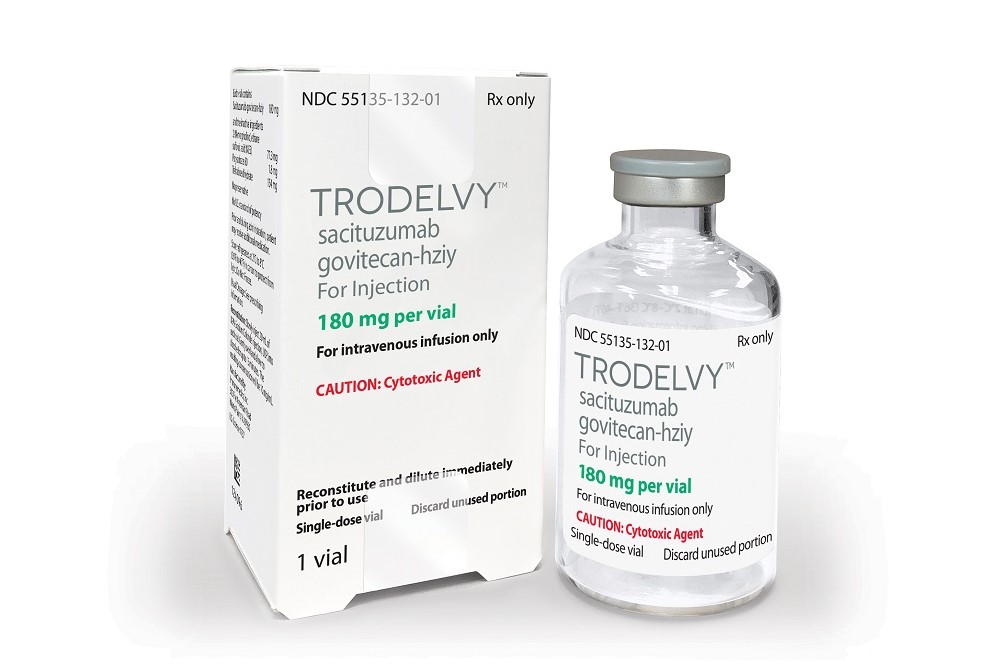
Gilead Sciences antibody drug conjugate Trodelvy is now approved as a first-line treatment for triple-negative breast cancer. This expanded approval for Trodelvy comes with a slightly broader label that gives it an edge over the AstraZeneca and Daiichi Sankyo ADC Datroway.
UniQure is preparing to seek accelerated FDA approval for its Huntington’s disease gene therapy, a move that follows the FDA’s reversal of its prior position calling for another clinical trial. This gene therapy is the latest in a growing list of rare disease treatments to receive reconsideration from an FDA that appears to be swinging back to regulatory flexibility.
Pharmacies and wholesalers claimed Takeda Pharmaceutical delayed generic competition from entering the market, forcing them to overpay for a gastrointestinal drug. Takeda said the trial had “evidentiary and legal errors,” and the company will appeal the verdict.
Disagreements between providers and payers have been moving into the courtroom over the past few weeks. The California Hospital Association sued Anthem over one of its out-of-network policies, Broward Health sued Florida Blue over alleged underpayment, and Jefferson Health sued Aetna over a Medicare Advantage hospital stay rule.
The Department of Justice has sued both OhioHealth and NewYork-Presbyterian Hospital this year, alleging that they use contracting tactics that limit competition and keep healthcare prices high. The cases mark a broader push by regulators to scrutinize how health systems use “all-or-nothing” contracts to shape insurance networks and patient access.
Jefferson Health in Philadelphia is suing Aetna over a new Medicare Advantage payment policy that hospitals say unfairly reduces reimbursements for legitimate inpatient stays. The case highlights a broader clash between providers and Medicare Advantage plans over “downcoding” short hospital stays and controlling costs.
GuardDog Telehealth admitted it misrepresented its services to access patients’ health information, marking the first major concession in Epic’s lawsuit against Health Gorilla and other defendants accused of exploiting interoperability networks. The broader case is still ongoing.
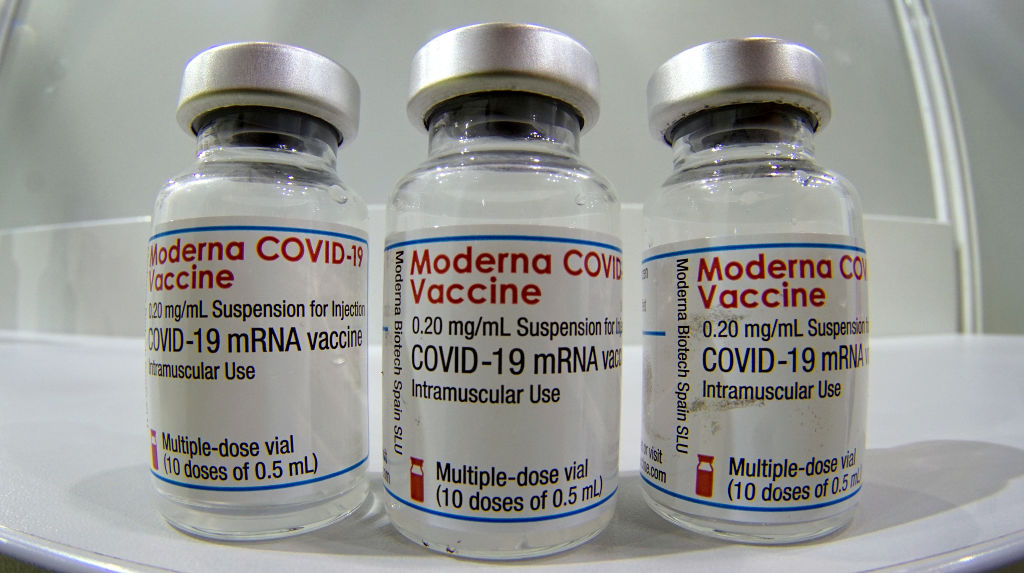
Under the settlement, Genevant Sciences and Arbutus Biopharma will grant Moderna a non-exclusive license to their lipid nanoparticle technology for mRNA delivery in infectious disease vaccines. If Moderna's full financial payout to the companies is reached, it would rank among the largest disclosed patent settlements in biopharmaceutical industry history.
Pfizer claims Metsera breached their merger agreement, adding that a tie-up of the biotech with GLP-1 drug giant Novo Nordisk would violate U.S. antitrust law. Metsera called the arguments “nonsense” and said Pfizer is trying to buy the obesity drug developer for less than what Novo is willing to pay.
Generic drugs don’t need lengthy clinical trials to support a submission seeking FDA approval. The regulator now proposes ending this testing requirement for biosimilars, products that reference complex biologic medicines.
Drugs selected for the FDA’s new Commissioner’s National Priority Review Voucher pilot program could receive a regulatory decision in two months or less. Qualifying product candidates must address a national priority, such as filling an unmet medical need or boosting domestic drug manufacturing.
Pharmaceutical tariffs are coming, part of President Trump’s stated goal of bringing drug manufacturing back to the U.S. Untangling the sprawling, global supply chain will be complicated and expensive, and could inadvertently compete with other administration goals regarding drug pricing and availability.
The FDA published more than 200 complete response letters, the first step in what it describes as part of its effort to modernize the agency and improve transparency. But there are some caveats to the release of the FDA correspondence.
Bispecific antibodies are already available for treating multiple myeloma. FDA approval of Regeneron Pharmaceuticals’ new drug, Lynozyfic, comes with dosing flexibility that sets it apart from others in its class.